
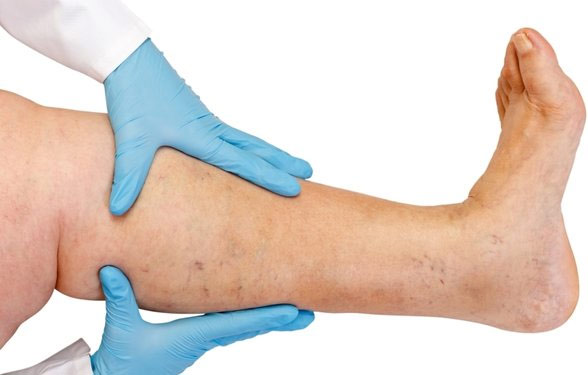
The article venous leg ulcer: Management aspect in Indian scenario by V Vishwanath[1] very vividly brought out the problems and peculiarities of the Indian context. In the absence of a central trauma and wound registry and quality research on the issue, it is difficult to correctly assess the magnitude of the suffering generated by leg ulcers in this country of over 1.2 billion people. This coupled with poor infrastructure, superstitions, and beliefs of the rural population that accounts for the majority of the population, makes treating such patients an arduous challenge. Popular perceptions of the cause of leg ulceration may be influenced by the humoral theories of balance and imbalance. Other explanations include poor circulation, lowered immunity, bad blood, being cursed and doing something wrong in a past life or this life.
While there are few Indian studies on the epidemiology of chronic wounds, one study estimated the prevalence at 4.5/1000 population. The incidence of acute wounds was more than double at 10.5/1000 population.[3] As has already been brought out elsewhere in the issue, in the Western world, leg ulcers are mainly caused by venous hypertension, arterial insufficiency, neuropathy, especially in the diabetic, pressure, vasculitis, or a combination of these factors. Most of the ulcers in India are undoubtedly due to venous etiology, but many other causes such as filariasis, tuberculosis, and leprosy, not frequently seen in the western countries, add to the misery of the Indian patient. The study from India shows that etiology of chronic wounds included systemic conditions such as diabetes and atherosclerosis. Other major causes included pressure ulcers, vasculitis, and trauma. Not surprisingly, the study stated that an inappropriate treatment of acute traumatic wounds was the most common cause of the chronic wound.
Read More : https://www.ncbi.nlm.nih.gov/pmc/articles/PMC4228669/