For women, the breast is one of the most important body parts. It plays a key role in their body shape and how they look overall. However, some situations can make its removal necessary.
Also called a mastectomy, breast removal surgery is a major surgical procedure. It is often performed for breast cancer, and sometimes for other conditions like precancerous lesions or to address gender dysphoria.
While breast removal surgery in Delhi is considered to be life-saving or preventive, it does not come without risks. And when you decide to undergo this surgery. Understanding the potential complications is crucial.
It may include some short-term surgical risks, such as infections and bleeding, like any other surgical procedure. However, it may also have some long-term effects such as scarring, changes in sensation, and psychological impact. To make an informed decision, patients must be fully aware of the risks and complications.
In this blog, we will look into everything you must know about the risks and complications involved with breast removal surgery.
Types of Breast Removal Surgery
The type of breast removal surgery can also influence a wide range of risks and complications. Let's understand the different types of this surgical procedure.
- Simple (Total) Mastectomy: This type involves the removal of the entire breast. This also means nipple and areola will be removed, but not the underlying muscles. This is generally performed during the early-stage cancers.
- Radical Mastectomy: This is all about the removal of the breast, underlying chest muscles, and nearby lymph nodes. While this is done rarely today, it carries a higher risk and longer recovery.
- Skin-Sparing Mastectomy: In this procedure, most of the breast skin is preserved for reconstruction purposes. It reduces scarring but still involves tissue removal. This often requires careful surgical technique.
- Nipple-Sparing Mastectomy: In this type, only the breast tissue is removed. This means it will keep the nipple and areola intact. Besides, it offers better cosmetic results but still carries a small risk of nipple necrosis.
- Prophylactic Mastectomy: This is a preventive surgery for high-risk individuals without cancer. For example, people with BRCA gene mutations. It reduces risk but involves significant surgical intervention.
Also Read: How Long Does Breast Augmentation Last
Common Risks and Complications
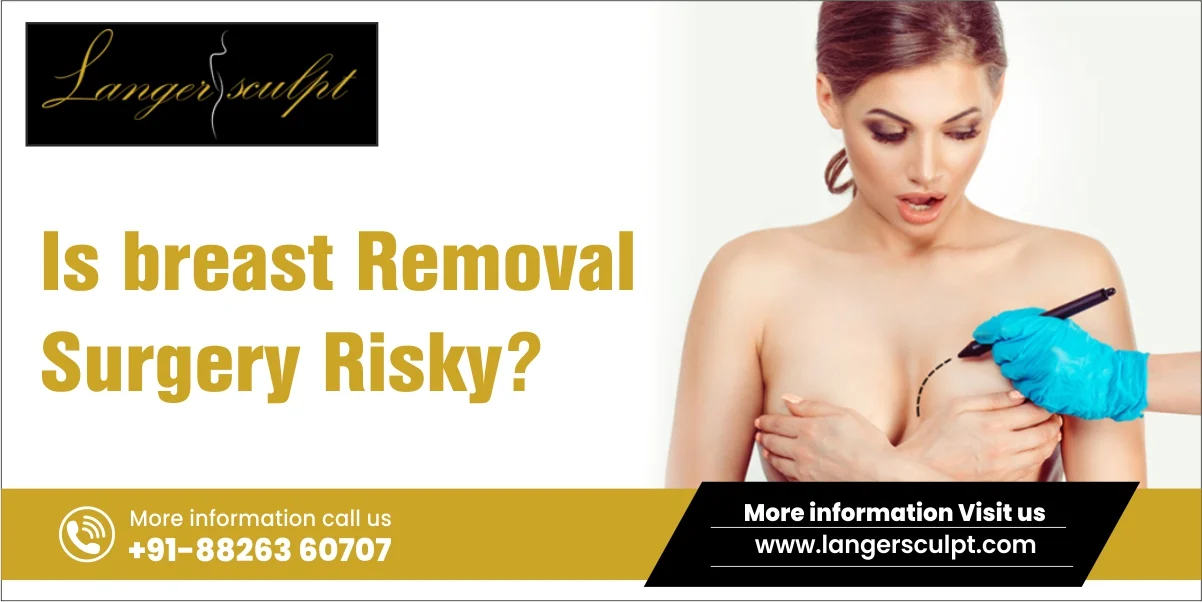
Is breast removal surgery risky? It is one of the most common questions that almost all patients seek answers to. Well, like any other surgery, it does carry several potential risks and complications. It is important to understand them before undergoing the procedure. The key risks and complications include:
- Surgical Site Infections: Infection is the most common risk. It is common to have an infection at the incision site. The most common symptoms of infections include redness, swelling, warmth, and discharge. By prescribing antibiotics on time and proper wound care, infections can generally be resolved. However, in some severe cases, additional treatment may be required.
- Bleeding and Hematoma: Bleeding after surgery may lead to hematomas (collections of blood under the skin). This may also cause swelling, pain, and discolouration. And sometimes, a surgical drainage will be required.
- Swelling and Bruising: Swelling is normal after surgery, especially in the first few weeks. While it will be temporary, excessive swelling may indicate complications. Thus, medical attention is required.
- Pain and Discomfort: How much pain you may feel usually depends on the procedure type and individual tolerance. The prescribed medications may help manage pain.
- Poor Wound Healing: Lifestyle factors like diabetes, smoking, or infection can impact healing. Delayed recovery can increase the risk of scarring and infection. In such cases, careful post-operative care is essential to be followed.
- Blood Clots (Deep Vein Thrombosis): In the cases of major surgeries, there is a small risk of blood clots forming in the legs, which can travel to the lungs (pulmonary embolism). Early mobilization, hydration, and sometimes anticoagulants can reduce this risk.
- Nerve Damage: During tissue removal, a loss of sensation or tingling around the chest and underarm area can occur due to nerve injury. Some patients may also experience permanent numbness.
- Skin or Nipple Necrosis: People undergoing nipple-sparing procedures, reduced blood flow can lead to tissue death. This issue may require further treatment or corrective surgery.
Long-Term Complications
Besides the short-term risks after surgery, there are some long-lasting complications that patients must be aware of. These include:
- Lymphedema: The removal of lymph nodes can lead to swelling in the arms or hands. It happens because of impaired lymphatic drainage. The symptoms of this complication generally include: heaviness, tightness, and discomfort. The patient might require physical therapy or compression garments to manage this situation.
- Changes in Chest Appearance and Scarring: After extensive tissue removal, the chest has visible asymmetry or depressions. Moreover, scars are expected to fade as time passes; however, they rarely disappear completely.
- Phantom Breast Sensation or Chronic Pain: Many patients notice persistent tingling, itching, or a sensation. They feel like the breast is still present. Besides, chronic pain or hypersensitivity in the chest wall is expected to last for months or years.
- Emotional and Psychological Impact: Breast removal surgery may also affect body image, self-esteem, and sexual confidence. Many patients also experience anxiety, depression, or grief. Asking for counselling or support groups can help recover from emotional trauma.
- Complications Related to Reconstruction (if opted): Implant-based or flap reconstructions carry additional risks. These include: implant rupture, capsular contracture, or flap necrosis, which may require further procedures.
Factors That Increase Risk
There are certain factors that may increase the risks of complications after breast removal surgery. Key factors include:
- Age and Overall Health: Older patients or people with severe conditions may experience slower healing and higher complication rates. For example, cardiovascular problems, diabetes, or weakened immunity can impact recovery.
- Smoking and Lifestyle Habits: People who smoke regularly or follow a bad lifestyle may see reduced blood flow, delayed wound healing, and increased risk of infection and tissue necrosis.
- Obesity: Obese patients or those with uncontrolled diabetes, hypertension, or other systemic illnesses may face higher chances of infection and poor wound healing.
- Previous Surgeries or Radiation Therapy: Individuals who have had prior breast surgeries or radiation treatments can alter tissue integrity and blood supply. This may complicate the surgery and increase the risk of complications.
- Extent and Type of Surgery: Radical or extensive mastectomies carry greater risks compared to simple procedures. At the same time, nipple-sparing or reconstructive surgeries may also increase the likelihood of skin or tissue complications.
Also Read: How to Choose the Right Size for Your Breast Enlargement Surgery
Frequently Asked Questions
1. Is breast removal surgery safe?
Well, breast removal surgery is generally considered to be safe when performed by an experienced surgeon. However, they must have an understanding of risks, complications, and proper post-operative care to ensure everything goes in the right direction.
2. How long does recovery take?
The ideal recovery time takes around 4-6 weeks. The complete recovery may still depend on the type of surgery. Besides, individual health also plays a key role.
3. Will I feel pain after surgery?
Mild to moderate pain is normal initially. It is easily manageable with prescribed medications. Moreover, discomfort typically decreases within the first few weeks.
4. Can I undergo reconstruction immediately?
Although immediate reconstruction is possible, it depends on health, cancer treatment plan, and tissue condition. Your surgeon may advise the best option.
5. What are the common complications?
The most common complications include: infections, bleeding, delayed wound healing, scarring, lymphedema, changes in sensation, and rarely tissue necrosis.
6. Will I experience numbness after surgery?
Temporary numbness or tingling is common. It is common around the chest and underarm. Sometimes, patients may also experience permanent sensation changes.
7. Can breast removal surgery affect my mobility?
Your surgeon may ask you to limit arm movement and reduce stiffness in the initial days after the surgery. Physical therapy and gentle exercises are suggested to restore full mobility over time.
8. Are there emotional effects after surgery?
Along with physical changes, your body may experience concerns related to body image, anxiety, and emotional distress. In this situation, counselling, support groups, and mental health support can help.
9. Is breast removal surgery risky for older patients?
Older people or individuals with chronic illnesses can increase complications. However, under the surgeon's guidance, careful evaluation, pre-operative preparation, and skilled surgeons can reduce these risks significantly.
10. How can I minimize risks during surgery?
Choosing a board-certified surgeon, following pre- and post-operative instructions, optimizing health, and quitting smoking or alcohol helps minimize risks.
11. What is the cost of breast removal surgery in Delhi?
The breast removal surgery cost in Delhi typically ranges from INR 80,000 to 2,50,000+. The total cost may depend on the surgeon's expertise, clinic location, and complexity of the procedure.
Conclusion
All in all, breast removal surgery or mastectomy is considered to be a safe yet major cosmetic procedure worldwide. However, like any other surgery, this procedure also comes with potential risks and recovery challenges.
By choosing a board-certified surgeon and following all pre- and post-operative instructions, you can minimize risk and complications. Besides, it also helps maintain realistic expectations.
To put it simply, it can help ensure a smooth recovery and satisfactory results. At the same time, with proper care, most patients experience improved comfort, confidence, and overall quality of life.
If you are interested in undergoing breast removal surgery, book a consultation now!